
Neck Pain: Causes, Symptoms, and Treatment Options
Neck pain is one of the most common reasons people visit a pain specialist. Most cases have a clear, treatable cause and respond well to targeted interventional treatment.
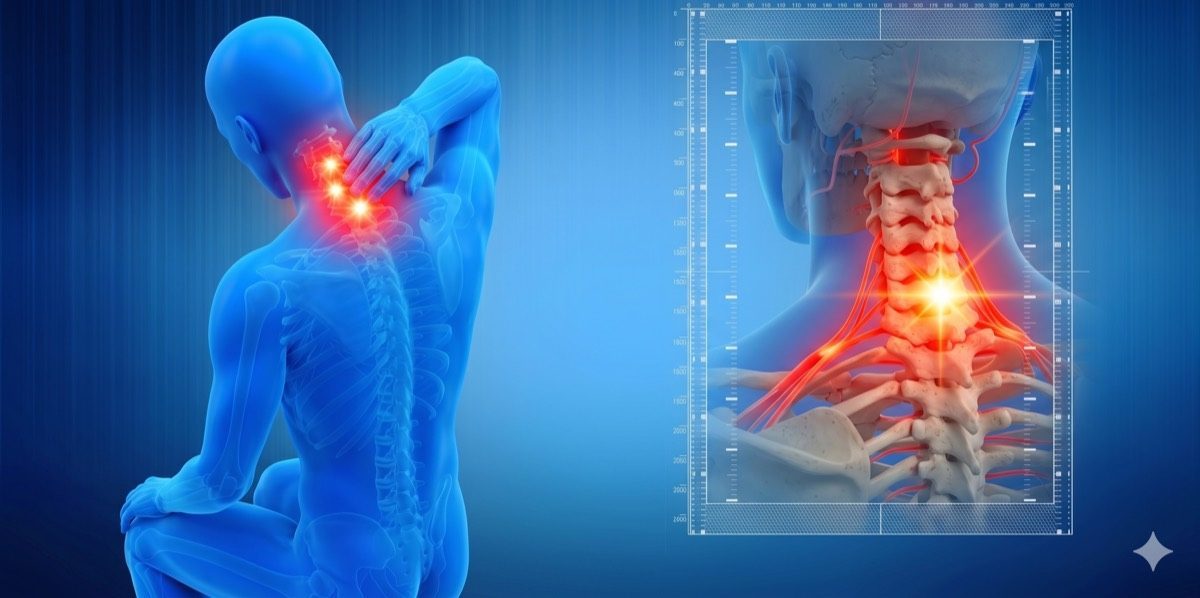
The cervical spine is made up of seven vertebrae that support the head and allow a wide range of movement. When any structure in the cervical spine becomes damaged or inflamed, it causes neck pain.
What is Neck Pain?
Neck pain can be sharp or aching, constant or intermittent. It sometimes radiates into the shoulders, arms, or causes headaches at the base of the skull.
The cervical spine houses the spinal cord and the nerve roots that supply the arms and hands. Compression or irritation of these structures is a common cause of neck and arm pain.
Most cases of neck pain are not dangerous and improve with the right treatment. A proper diagnosis is the key to finding the most effective approach.

Symptoms of Neck Pain
Common symptoms include:
If your neck pain is severe, has lasted more than 4 weeks, or comes with arm weakness or numbness, you should see a specialist promptly.
- Pain in the neck that spreads to the shoulder or upper arm
- Stiffness and reduced ability to turn or tilt the head
- Headache starting at the base of the skull and going to forehead or eye called Cervicogenic headache
- Tingling or numbness in the arm, hand, or fingers
- Weakness in the arm or reduced grip strength (Cervical Myelopathy)
- Pain that worsens when looking up, down, or turning the head
- A grinding or clicking sensation during neck movement
What Causes Neck Pain?
Neck pain can come from several different structures in the cervical spine. The most common causes are:
Risk factors include prolonged desk work, poor posture, heavy lifting, prior neck injury, and age over 40.
- Cervical Disc Herniation: A disc in the neck bulges outward and presses on a nearby nerve root, causing pain, numbness, or weakness in the arm.
- Cervical Spondylosis: Age-related wear and tear on the discs and joints leads to bone spurs and narrowing of the spinal canal.
- Cervical Facet Joint Arthritis: The small joints at the back of each cervical vertebra degenerate and become inflamed, causing deep neck pain and occipital headaches.
- Cervical Spinal Stenosis: The spinal canal narrows and compresses the spinal cord or nerve roots, causing pain, numbness, and weakness that can affect both arms.
- Myofascial Pain Syndrome: Tight muscle trigger points in the neck and upper back cause persistent, referred pain that does not show up on imaging.
- Whiplash Injury: A sudden forward-backward movement of the neck strains muscles, ligaments, and facet joints, often causing chronic pain if not properly treated.
- Text Neck Syndrome: Prolonged screen time with bad posture and lack of exercise causes severe strain of neck muscles and inflammation of cervical facet joints, leading to neck pain and Cervicogenic headache.
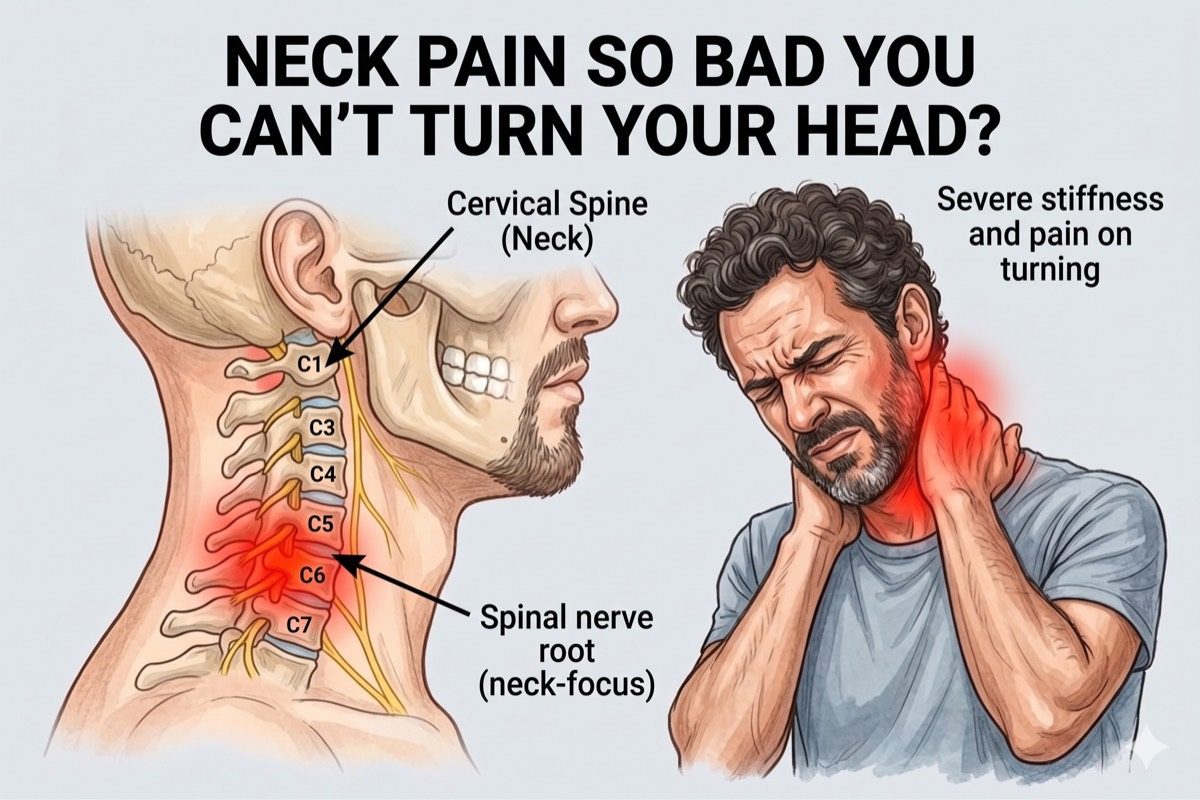
Cervicogenic Headache
The upper cervical spine is a common but often overlooked source of headaches. Pain originating from the upper cervical facet joints or neck muscles can refer to the head, temples, forehead or eye.
Cervicogenic headache is frequently mistaken for migraine. The key difference is that it is usually one-sided and consistently worsens with neck movement or sustained postures such as looking at a screen.
A targeted cervical medial branch block can confirm the diagnosis and provide immediate relief, helping to distinguish it from other headache types.
How is Neck Pain Diagnosed?
A thorough diagnosis starts with a clinical examination and a detailed review of your symptoms. Dr. Ashu Kumar Jain assesses range of motion, nerve function, and areas of tenderness before recommending any imaging.
- Clinical neurological examination to test reflexes, sensation, and arm strength
- MRI of the cervical spine to identify disc herniations, stenosis, or nerve compression
- X-rays to assess alignment, bone spurs, and disc space height
- Nerve conduction studies (EMG/NCS) where arm or hand symptoms suggest nerve involvement
- Diagnostic medial branch block to confirm whether a cervical facet joint is the pain source
Check If You Need This Treatment
I have persistent neck or arm pain
I have MRI showing cervical disc herniation or spondylosis
Pain has lasted more than 4 to 6 weeks
Pain limits my daily activities or work
Conservative treatments haven’t fully helped
What we offer?
Our approach to treating neck pain
We use targeted, minimally invasive procedures that go directly to the source of the pain.
 Cervical Epidural Steroid Injection to reduce nerve root inflammation from disc herniation
- Cervical Medial Branch Block to diagnose and relieve cervical facet joint pain
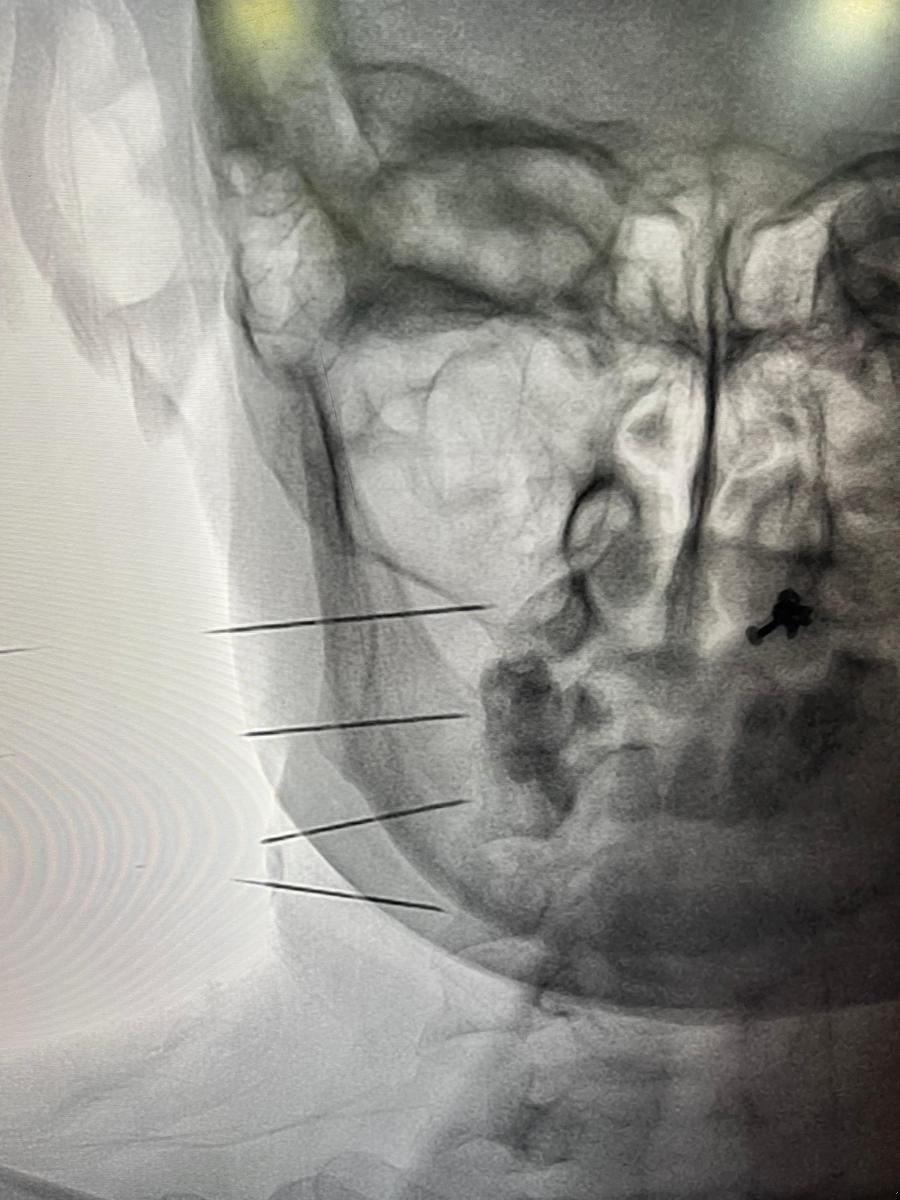
- Cervical Radiofrequency Ablation (RFA) for long-term facet joint pain relief
- Trigger Point Injection for myofascial pain and muscle knots
- In-house MRI, X-ray, and nerve conduction studies for accurate diagnosis
Frequently asked questions
What are the most common causes of neck pain?
The most common causes are cervical disc herniation, facet joint arthritis, and muscle trigger points. Cervical spondylosis from long-term wear is also frequent in people over 40. A proper MRI and clinical examination will identify the exact source of your pain.
How is disc pain different from facet joint pain in the neck?
Disc pain often causes arm symptoms like numbness, tingling, or weakness, particularly when the neck is in certain positions. Facet joint pain tends to cause deep, local neck pain and headaches without arm involvement. The two require different treatments, so getting the diagnosis right is important.
What interventional treatments are available for neck pain?
We offer cervical epidural steroid injections for disc-related nerve pain, medial branch blocks for facet joint pain, cervical radiofrequency ablation for long-term facet relief, and trigger point injections for muscle pain. The right choice depends on the specific diagnosis.
Will I need surgery for a herniated cervical disc?
Surgery is rarely needed. Most patients with a herniated cervical disc get significant relief from cervical epidural steroid injections and targeted rehabilitation. Surgery is considered only when there is progressive weakness in the arm or when all non-surgical options have been tried without success.
How long does cervical RFA last?
Cervical radiofrequency ablation typically provides pain relief for 9 to 18 months. The nerves can regenerate over time, at which point the procedure can be safely repeated. After the RFA, Dr. Ashu Kumar Jain gives an extensive rehabilitation program for each patient that includes posture correction, improving ergonomics, and exercises to prevent recurrence of pain.
Can neck pain cause headaches?
Yes. Pain from the upper cervical facet joints commonly refers to the back of the head, temples, and behind the eye. This is called cervicogenic headache. It frequently occurs alongside neck stiffness and is made worse by neck movement or prolonged sitting at a desk.
When should I see a specialist for neck pain?
See a pain specialist if your neck pain has lasted more than 4 weeks, is worsening, or comes with arm tingling, numbness, or weakness. Seek immediate care if you have sudden severe neck pain after a fall or if you develop weakness or difficulty using your hands.
What is the role of Botox injection in Cervicogenic headache and neck pain?
Botox (botulinum toxin) injection can be used as an advanced treatment for chronic neck pain and Cervicogenic headache, especially when other therapies have not provided enough relief. Botox works by relaxing overactive neck muscles and reducing muscle spasm, which can help decrease pain and improve mobility. It may also reduce the frequency and severity of Cervicogenic headaches. The procedure is quick, minimally invasive, and its effects can last for several months. Dr. Ashu Kumar Jain will assess if Botox injection is suitable for your specific condition after a thorough evaluation.