
Coccydynia: Tailbone Pain Causes, Symptoms, and Treatment
Tailbone pain that makes sitting unbearable is more common than many realise. Targeted interventional treatments provide relief where medication and cushions have failed.
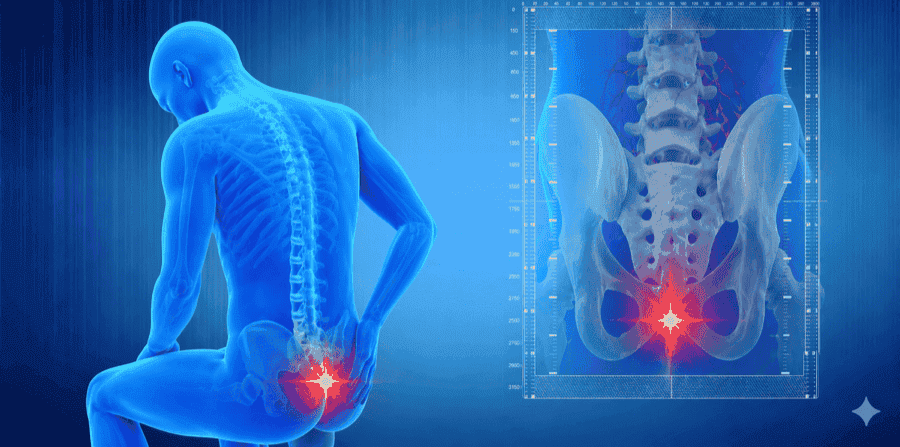
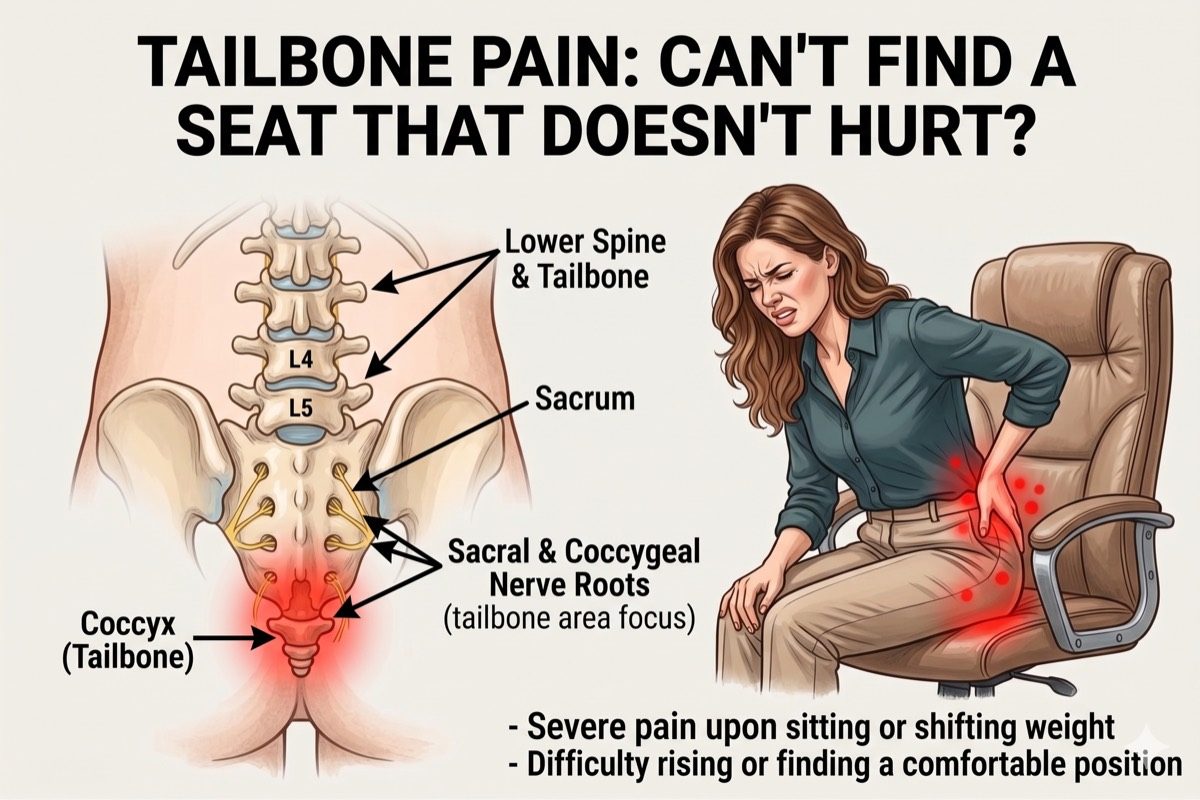
The coccyx, or tailbone, is the small triangular bone at the very base of the spine. Despite being vestigial, it serves as an attachment point for pelvic floor muscles and ligaments. When it becomes painful, even sitting becomes a daily ordeal.
What is Coccydynia?
Coccydynia is the medical term for pain localised to the coccyx region at the base of the spine. It produces a distinctive sharp, aching, or burning pain felt right at the tailbone or between the buttocks, almost always made worse by sitting.
One of the hallmark features of coccydynia is a spike of pain precisely at the moment of transitioning from sitting to standing. This happens because the coccyx is loaded by the pelvic floor muscles during the sit-to-stand movement.
Coccydynia is significantly more common in women, partly due to the shape of the female pelvis and partly because childbirth is a frequent cause. Most cases are highly treatable with interventional procedures.
Symptoms of Tailbone Pain
Common symptoms include:
See a specialist if tailbone pain has lasted more than 4 weeks, is limiting your ability to sit comfortably, or followed a fall or traumatic event.
- Pain at the very tip of the spine or between the buttocks
- Pain that is significantly worse when sitting, especially on hard surfaces
- A sharp spike of pain when transitioning from sitting to standing
- Aching that eases when standing or walking but returns promptly on sitting
- Tenderness when the coccyx is pressed from outside
- Pain during bowel movements or prolonged straining
- Discomfort during sexual intercourse in some patients
What Causes Tailbone Pain?
The most common causes are:
- Trauma: A fall onto the buttocks is the most frequent precipitating event. The coccyx may be bruised, fractured, or dislocated. Even minor falls can cause persistent pain if the coccyx is destabilised.
- Childbirth: Prolonged labour, instrumental delivery, or macrosomia (large baby) can bruise or fracture the coccyx. Post-partum coccydynia can persist for months after delivery if untreated.
- Repetitive Strain: Prolonged sitting on hard or narrow surfaces, cycling, and rowing can produce cumulative stress at the coccyx, leading to inflammation and pain without a single traumatic event.
- Coccygeal Hypermobility: In some patients the coccyx has abnormally increased movement when sitting, causing painful dynamic instability that is visible on dynamic (sitting vs standing) X-rays.
- Idiopathic: In a significant proportion of patients, no identifiable structural cause is found. Pain is thought to arise from sensitisation of the ganglion impar, the sympathetic nervous system cluster at the tip of the coccyx. A ganglion impar block addresses this directly.
Traumatic vs Idiopathic Coccydynia
Traumatic coccydynia follows a clear event such as a fall or delivery. Imaging often shows a fracture site or subluxation. This type typically responds well to targeted injections and usually has a favourable outcome.
Idiopathic coccydynia has no identifiable structural cause. It is thought to arise from central or sympathetic sensitisation and is mediated through the ganglion impar, a small sympathetic ganglion sitting directly in front of the coccyx tip. A ganglion impar block is the procedure of choice here and is often dramatically effective.
Both types can become chronic and self-reinforcing if left untreated. Early intervention produces better outcomes than waiting for spontaneous resolution, which may not occur.
How is Tailbone Pain Diagnosed?
Dr. Ashu Kumar Jain assesses the precise location of tenderness, movement patterns that provoke pain, and any associated pelvic floor symptoms before recommending imaging.
- Clinical examination with careful localised palpation of the coccyx and sacrococcygeal junction
- Dynamic X-rays (sitting and standing) to identify coccygeal hypermobility or subluxation
- MRI pelvis to assess for fracture, soft tissue pathology, or other causes of pelvic pain
- Diagnostic ganglion impar block to confirm sympathetically-mediated coccydynia before definitive intervention
Check If You Need This Treatment
I have pain at the base of my spine or between my buttocks
Pain is worst when sitting or transitioning from sitting to standing
Pain has lasted more than 4 to 6 weeks
A fall, prolonged labour, or trauma preceded the onset of pain
Pain limits my ability to sit comfortably for any length of time
What we offer?
Our approach to treating tailbone pain
We use targeted, minimally invasive procedures that go directly to the source of the pain.
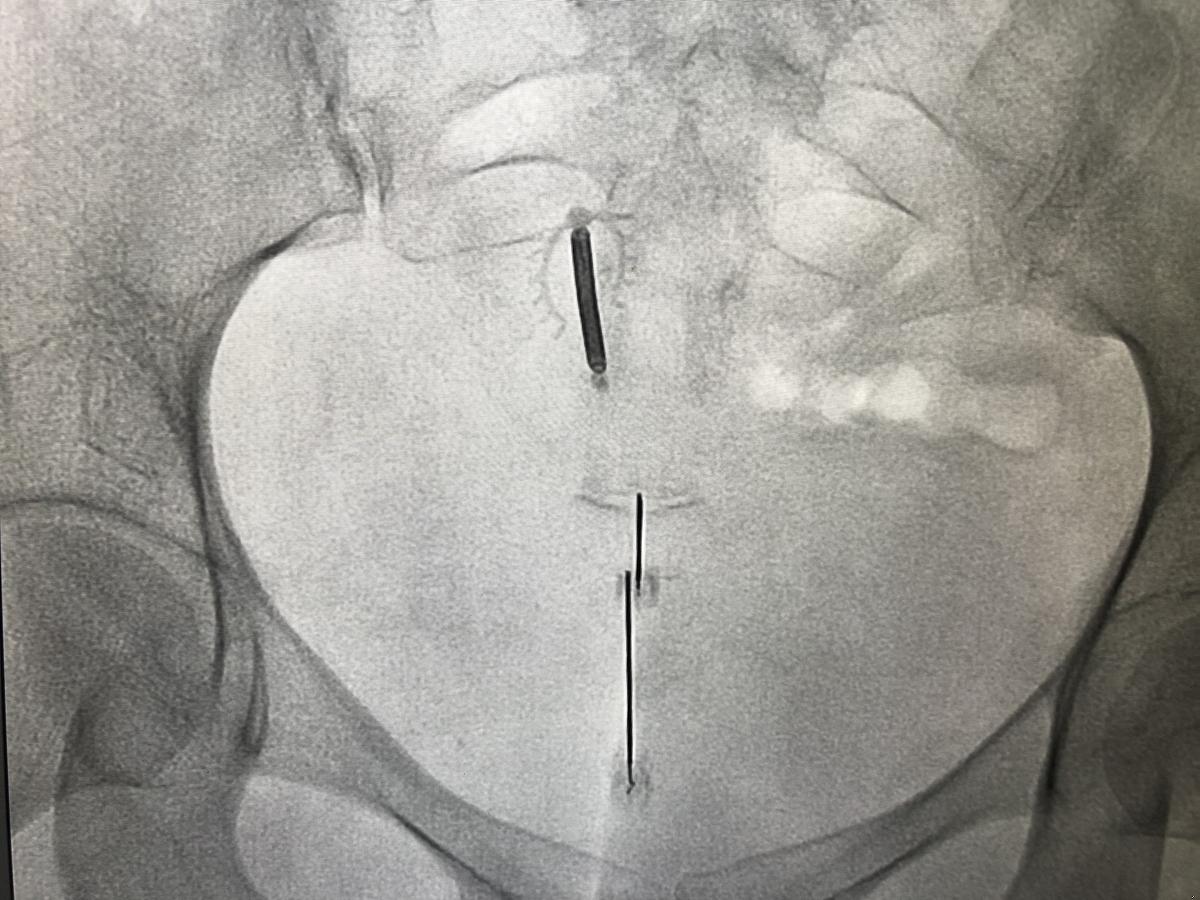
 Ganglion Impar Block/RFA/Neurolysis for sympathetically-mediated coccydynia, often dramatically effective for idiopathic and chronic tailbone pain
- Conventional Radiofrequency Ablation (RFA) of the Ganglion Impar for refractory coccydynia where blocks provide only temporary relief
- Ganglion Impar Neurolysis for long-lasting relief, particularly in cancer-related tailbone and pelvic pain
- Coccygeal Periarticular Injection with corticosteroid for post-traumatic coccyx inflammation
Frequently asked questions
What is the ganglion impar block and why is it used for tailbone pain?
The ganglion impar is the terminal ganglion of the sympathetic nervous system, located just in front of the coccyx tip. It relays pain signals from the pelvic floor, coccyx, perineum, and distal rectum. A ganglion impar block places a small amount of local anaesthetic (and sometimes a neurolytic agent) directly onto this ganglion, interrupting the pain pathway. It is often the single most effective treatment for chronic coccydynia.
Why does tailbone pain spike when standing up from a chair?
During the sit-to-stand transition, the pelvic floor and gluteal muscles contract forcefully, placing a levering load on the coccyx. If the coccyx is inflamed, fractured, hypermobile, or if the surrounding nerves are sensitised, this movement produces a sharp spike of pain. It is one of the most characteristic symptoms of coccydynia and helps differentiate it from other pelvic or spinal pain conditions.
How long does tailbone pain last without treatment?
Coccydynia does not reliably resolve on its own, particularly when it has persisted beyond 3 months. Chronic coccydynia can last for years, progressively restricting sitting and affecting quality of life. Early intervention with a targeted injection/RFA significantly improves outcomes compared to waiting.
Can tailbone pain occur after childbirth?
Yes, and it is frequently under-reported after delivery. Prolonged labour, instrumental delivery (forceps or ventouse), or delivery of a large baby can bruise, fracture, or dislocate the coccyx. Post-partum coccydynia can persist for months. A sacrococcygeal injection or ganglion impar block provides effective relief and does not interfere with breastfeeding or postnatal recovery.
Is surgery ever needed for coccydynia?
Surgical coccygectomy (removal of the coccyx) is rarely needed. The vast majority of coccydynia cases respond to interventional procedures such as the ganglion impar block, coccygeal joint injection, or conventional RFA. Surgery carries significant risks including wound infection and pelvic floor complications, and is only considered after all interventional options have been exhausted.
When should I see a specialist for tailbone pain?
See a pain specialist if your tailbone pain has lasted more than 4 weeks, is significantly limiting your ability to sit, or followed a fall, prolonged labour, or pelvic trauma. Do not delay treatment — chronic coccydynia is harder to treat than acute or subacute coccydynia, and early intervention consistently produces better outcomes.