
 Dr Ashu Kumar Jain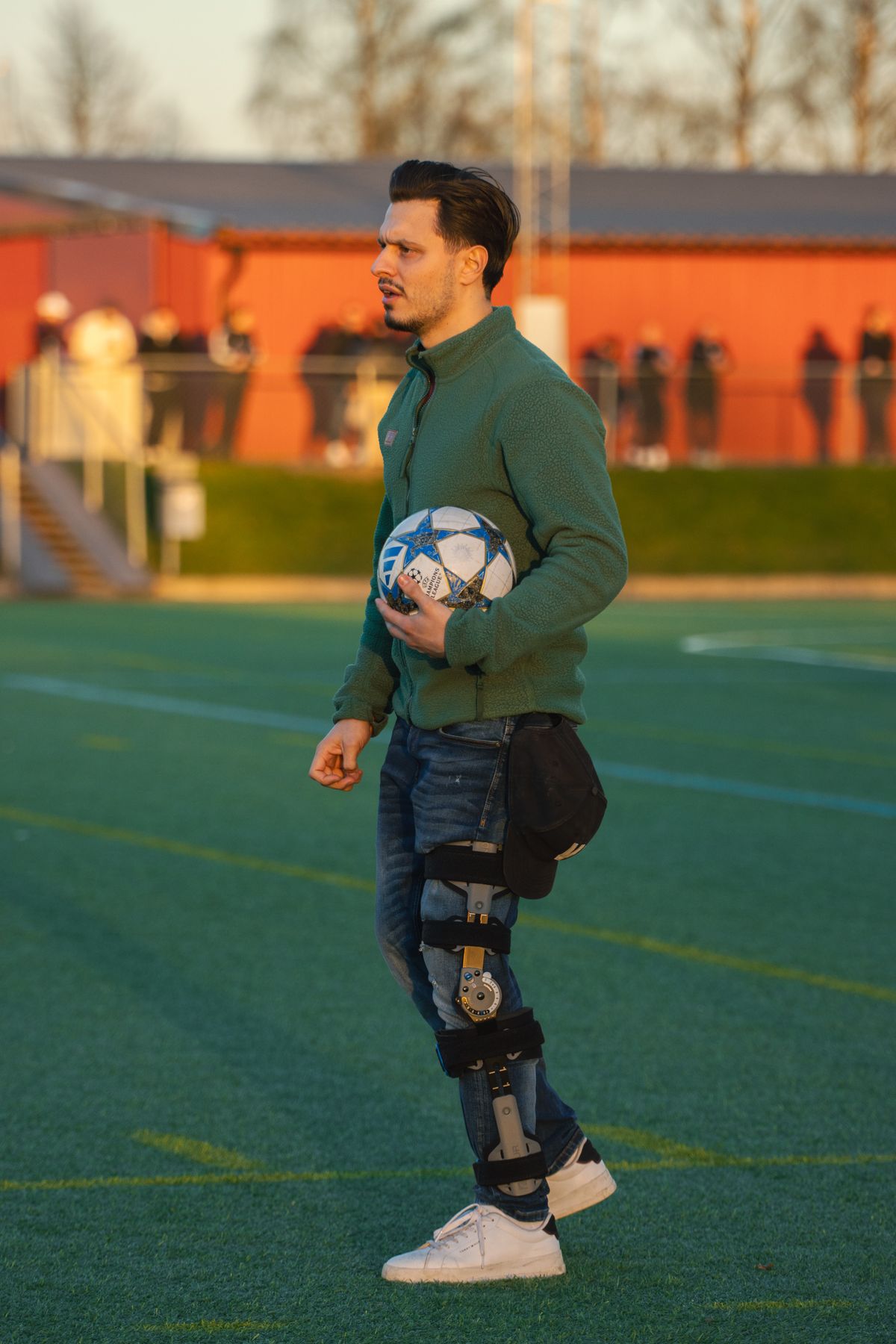
A knee cap usually means an elastic sleeve, while a knee brace may have straps, hinges or a frame. Either can help selected problems, but choosing the right support starts with understanding why the knee hurts or feels unstable.
On this page
What Is the Difference Between a Knee Cap and a Brace?
In shops, a knee cap commonly refers to a stretchable sleeve that fits around the joint. This is different from the kneecap bone, called the patella. A sleeve mainly provides compression and a sense of support.
A brace is a broader category. Some guide movement, some limit it after an injury or operation, and some are designed to alter loading in a particular part of the knee. The label alone is not enough: check the device’s intended purpose.
| Device | Typical purpose | What it does not establish |
|---|---|---|
| Elastic knee cap or sleeve | Compression and comfort | That an injured ligament is protected |
| Hinged or functional brace | Selected stability or movement-control needs | That return to sport is safe without assessment |
| Unloader brace | Adjust loading in a selected arthritis pattern | That arthritis has reversed |
| Postoperative brace | Protect a repair or follow prescribed movement limits | That its restrictions can be changed independently |
| Tape or patellar strap | Selected symptom-management adjunct | The same structural control as a rigid brace |
Is a Knee Cap Good for Knee Pain?
A comfortable sleeve may help some people feel more confident during activity. It does not diagnose the problem, repair a torn ligament or reverse arthritis.
Judge it by a useful task, such as a short walk or rising from a chair, rather than how tightly it squeezes. If pain remains limiting, buying a stronger or tighter sleeve is not a substitute for an assessment.
When Might a Brace Be Considered?
A clinician may consider a specific brace when instability, injury or abnormal loading makes it appropriate. A brace prescribed after surgery has different requirements from a support bought for everyday aches.
Not every person with osteoarthritis needs a brace. Selection should consider the examination, comfort, function and whether the device helps you carry out a rehabilitation plan. Follow prescribed restrictions if the brace is protecting an injury or repair.
- Elastic sleeve: compression and comfort, with limited mechanical control.
- Hinged brace: additional support or movement control for selected problems.
- Unloader brace: intended to change loading in a particular knee compartment.
- Postoperative brace: specific movement limits set by the treating team.
Match the Support to the Problem You Want to Solve
For mild discomfort during an otherwise stable activity, a sleeve may provide useful comfort. If the knee repeatedly gives way after injury, the question is whether a ligament or another stabilising structure needs assessment and specific protection. An unloader brace addresses a different problem: loading in a particular compartment of an arthritic knee.
Write down the purpose before shopping. “I want less discomfort during a short walk” is different from “I need to protect a healing ligament” or “my clinician wants to limit how far I bend after surgery”. A product described as suitable for all three may not provide the control required for your specific situation.
The Cleveland Clinic knee brace guide describes different device types and their uses. Use those categories to understand a prescription, then confirm fit and wear instructions with the treating professional. A photograph or star rating cannot show whether a device matches your examination.
What Is an Unloader Brace, and Who Might Benefit?
An unloader brace uses a frame and straps to alter the forces passing through the knee. It is generally considered for a particular pattern of compartmental arthritis, rather than as a stronger version of a stretchy sleeve. The painful compartment, alignment, stability and comfort all matter when deciding whether a trial is reasonable.
This means an “arthritis brace” bought without knowing the target may be a poor match. Ask which side or compartment the device is intended to unload and how correct adjustment will be checked. A brace that produces pressure in the wrong place, slips repeatedly or changes your walking uncomfortably needs review.
Judge the benefit during the activities it was chosen for. If it makes a regular walk easier but becomes uncomfortable while sitting at a desk, the wear plan may need adjusting. If it does not improve a meaningful task despite proper fitting, continuing solely because it was expensive is unlikely to be useful.
Does a Hole Around the Kneecap Mean Better Support?
An opening, padded ring or strap may be intended to influence kneecap comfort or tracking, but the appearance alone does not establish its effect. Some patellofemoral supports are more specific than a generic open-patella sleeve. They also differ from a narrow patellar tendon strap worn below the kneecap.
The American Academy of Pediatrics’ brace guide explains these distinctions for young athletes. The broader lesson is to identify the painful structure before selecting a device; advice for a young athlete’s anterior knee pain should not automatically be applied to an older person’s unstable arthritic knee.
If stairs or squats provoke front-of-knee pain, a movement and strength assessment may be more useful than comparing holes and straps online. Ask whether a support is being used for short-term comfort while rehabilitation addresses the activity demands.
Fit Matters When Choosing Knee Support
Use the manufacturer’s measurements and ask for fitting help if needed. A device that slips, rubs or changes your walking may be unsuitable even if it is highly rated online.
Check the skin and how the foot feels. New numbness, tingling, colour change, coldness or increased pain needs attention. Remove an over-tight support and seek advice; persistent circulation symptoms require urgent assessment.
People with reduced sensation, fragile skin or circulation problems need particular care with compression. Do not use a generic online recommendation to choose how tightly to strap the knee.
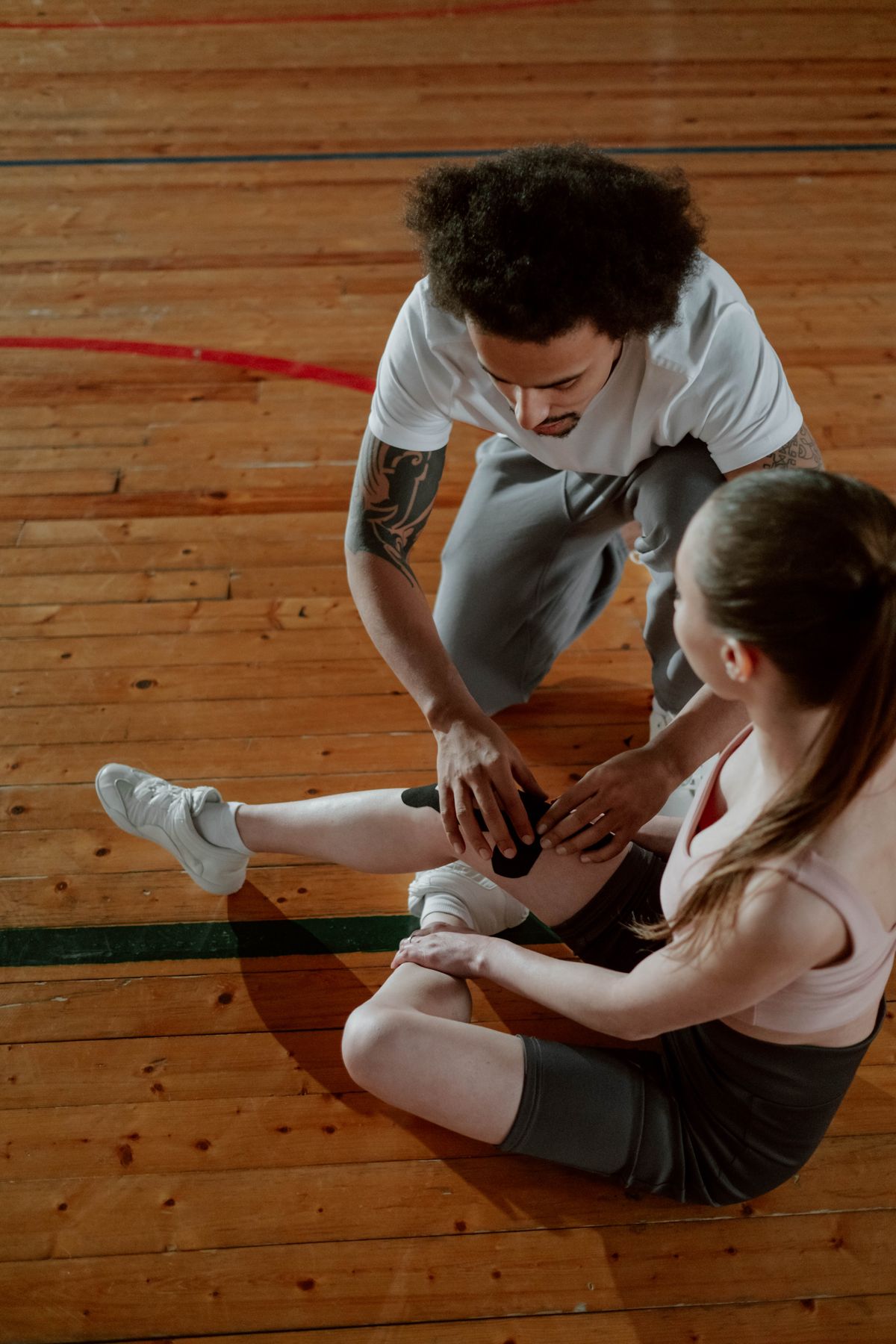
Is Taping the Same as Wearing a Brace?
No. Tape is applied to the skin and does not provide the same structural support as a rigid or hinged device. It may be used as an adjunct in selected rehabilitation plans.
The photograph illustrates taping rather than a cap-versus-brace product comparison. If tape causes irritation, stop using it and ask for advice. Do not treat taping as protection for an undiagnosed unstable knee.
Can You Wear Support All Day or Sleep in It?
There is no universal wear schedule. A prescribed brace may have specific day-and-night instructions, while a comfort sleeve may only be useful during particular activities. Check rather than assuming they can be used in the same way.
Support should fit into a plan that also addresses movement and strength. Read our knee exercises and stretches guide for ways to discuss gradual rehabilitation.
If the device helps you walk, record what improves and what remains difficult. Bring it to follow-up so fit and function can be checked.
A Sensible Trial for a Comfort Sleeve
For an ordinary sleeve used for comfort after assessment, choose a familiar, modest activity and note the baseline: how long you walk comfortably, whether you limp and whether the knee swells afterwards. Try the correctly fitted sleeve during the same sort of activity, rather than testing it by immediately increasing the load.
Look for a practical improvement without rubbing, numbness or altered walking. Record whether the sleeve keeps slipping, bunches behind the knee or causes discomfort after sitting. Those observations are useful for a fitting review. Tightness should not be used as the measure of effectiveness.
This is a comfort trial, not a test of ligament stability. Do not remove a prescribed protective brace to compare performance, and do not use a sleeve to clear yourself for sport after injury. Follow the restrictions given for healing tissue even if the knee feels better.
What If the Brace Slips or Hurts Behind the Knee?
Check that the correct size was selected using that manufacturer’s measurement points. Different products can use different sizing systems. Fit also depends on limb shape, strap order and whether the device is sitting at the intended height. A sleeve that rolls down or a hinge that sits away from the joint may need professional adjustment or a different design.
Avoid solving slippage by tightening every strap as far as possible. Pressure behind the knee, skin pinching and new symptoms in the foot are reasons to stop and reassess fit. A protective brace that cannot be worn comfortably needs prompt contact with the treating team so its purpose is maintained safely.
Bring the device to a consultation and demonstrate the activity that causes the problem. Also mention new hip, ankle or back discomfort after starting it. The support should help your movement plan rather than create another painful compensation.
Will Wearing a Knee Support Make the Muscles Weak?
A sleeve does not automatically make the muscles weak. The more relevant concern is whether pain, prolonged restriction or reliance on the device has reduced activity and strength. A medically necessary protective brace may restrict movement while tissue heals; rehabilitation then follows the treating team’s plan.
Mayo Clinic Health System discusses how bracing fits with muscle control and recovery . A brace should have a defined role alongside appropriate exercise. Ask which movements you should continue, which are restricted and how the need for support will be reviewed.
For a comfort sleeve, needing it more often can be a useful signal to reassess symptoms and capacity. It is not a reason to feel guilty about using support, nor proof that the product is damaging the knee. Look at the whole activity pattern and the reason pain is persisting.
Walking, Work, Driving and Sleep Need Separate Instructions
A device that feels comfortable for walking may press into the knee during prolonged sitting. A postoperative brace may deliberately restrict bending, which can affect work and transport. Discuss the actual activities you need to do rather than asking only how many hours to wear it.
Driving requires safe control of the vehicle, including an emergency stop. A brace, restricted movement, the affected leg and sedating medicines can all matter. Obtain advice from the treating team and check relevant insurance requirements; a generic blog cannot provide individual driving clearance.
For sleep, follow the prescribed device instructions. An everyday compression sleeve and a brace protecting a repair may have very different requirements. If overnight use causes numbness, skin problems or increased pain, seek advice rather than assuming discomfort is necessary for healing.
When Should You Seek Help Instead of More Support?
New or increasing knee swelling , repeated giving way or a knee that becomes stuck should be assessed. After a major injury, inability to bear weight or deformity needs prompt medical care.
A hot knee with fever or new one-sided calf swelling also needs urgent assessment. Do not hide those symptoms under a tight support and continue exercising.
Getting the Right Assessment
If you need a support just to manage ordinary daily activity, ask what problem it is helping and what treatment should accompany it.
For an individual assessment, explore knee pain treatment in Gurgaon at Jain Pain Clinic. Dr Ashu Kumar Jain focuses on pain medicine; treatment choices depend on the diagnosis and your goals.
Related reading: non-surgical options the complete knee pain treatment guide
Resources
- Osteoarthritis: diagnosis and managementNICE
- Patellofemoral pain syndromeAAOS OrthoInfo
- Knee pain: symptoms and when to seek helpNHS
- Knee brace types and useCleveland Clinic
- Knee pain and braces in young athletesAmerican Academy of Pediatrics
- To brace or not to braceMayo Clinic Health System
Frequently asked questions
Is a knee brace better than a knee cap?
Only when its specific function matches the problem. A brace is not automatically better for pain, and neither device replaces diagnosis or rehabilitation.
Can I sleep wearing a knee cap?
Follow the advice for your specific device. A postoperative brace and an everyday sleeve have different instructions; do not assume overnight use is appropriate.
Can a knee cap cure arthritis?
No. It may help comfort or confidence for some activities but does not reverse arthritis.
Is kinesiology tape a knee brace?
No. Tape adheres to the skin and does not provide the same mechanical control as a hinged or rigid brace.
Can I wear a knee support while walking?
A properly fitted support may help selected problems during walking. Follow any injury or postoperative restrictions, and review the fit if it changes your gait, slips or causes pain or numbness.
Should I buy a smaller sleeve for stronger compression?
No. Use the manufacturer’s measurements and seek fitting advice if it slips. Excessive pressure can cause skin or circulation problems and does not prove better support.
Can a sleeve protect a torn ligament during football?
An elastic sleeve does not provide the mechanical control of a prescribed functional brace. Return to sport after ligament injury requires assessment and rehabilitation; a sleeve alone is not clearance to play.