
 Dr Ashu Kumar Jain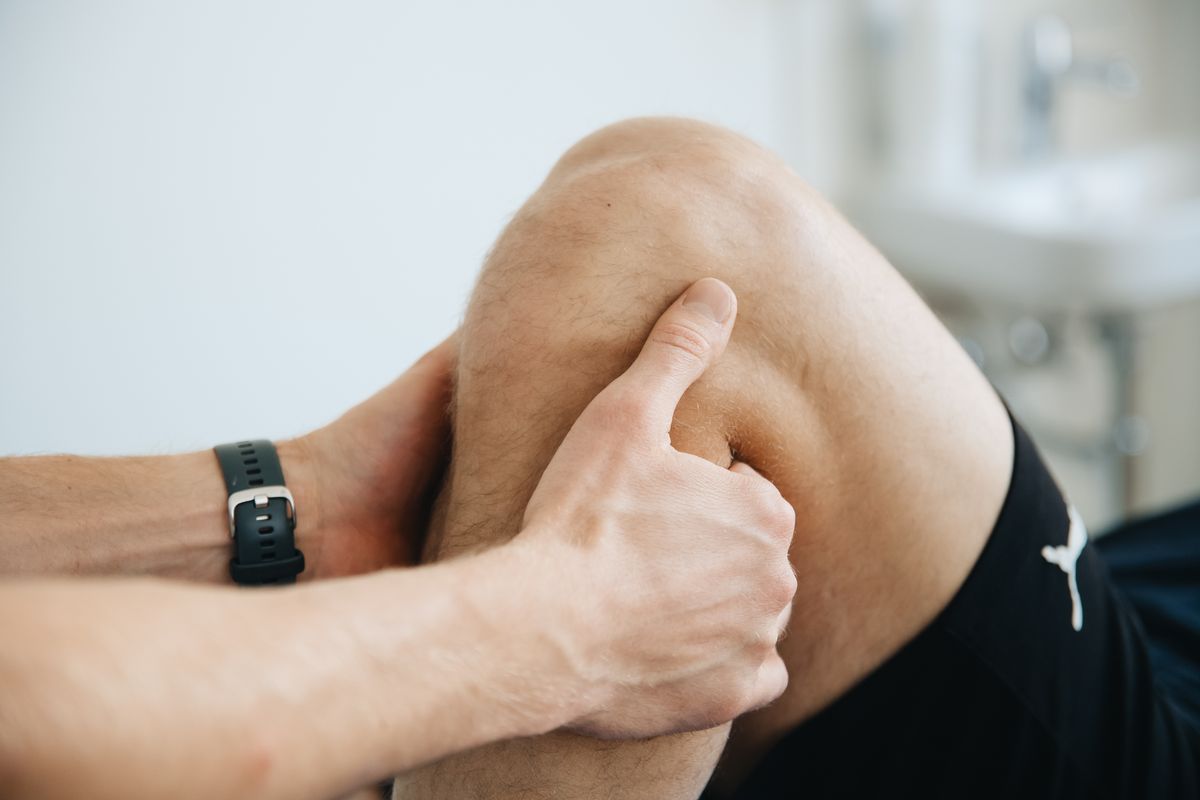
A swollen knee may contain excess joint fluid, but swelling can also come from a bursa or tissues outside the joint. Injury, arthritis, crystal inflammation, infection and bleeding are possible causes. Treatment depends on where the swelling is and why it developed; not every knee needs draining. A suddenly hot, very painful joint, marked swelling after injury or inability to bear weight needs prompt medical assessment.
On this page
When Is a Swollen Knee Urgent?
A hot, red, very painful knee with fever or feeling unwell needs urgent medical care. Infection can damage a joint and should not wait for a routine appointment. Severe pain can be important even without a measured fever.
Rapid swelling after injury, a changed knee shape or inability to bear weight also needs prompt assessment. If swelling extends into one calf or leg, a blood clot may need to be excluded. Chest pain or breathlessness with those symptoms is an emergency.
Is the Swelling Inside the Joint or Over the Kneecap?
A joint effusion is excess fluid within the joint capsule. It may make the knee look generally fuller and restrict bending. A more localised swelling directly over the kneecap can instead involve the prepatellar bursa, a small cushioning sac outside the joint. A lump at the back can be a Baker’s cyst. These are different locations, even though all may be described as “water on the knee”.
Broader swelling extending into the calf, ankle or whole leg raises additional questions beyond the knee joint. The clinician will examine the distribution, skin, warmth and movement before deciding which investigations are useful. A photograph may document an intermittent change, but cannot establish the diagnosis.
Point to where the swelling starts and explain whether the whole leg changes. Do not assume that a visible fluid pocket should receive the same treatment as an effusion inside the joint. Infection can affect either the joint or a bursa, so redness and increasing pain deserve attention regardless of the location.
Does the Timing After an Injury Matter?
Rapid swelling after a substantial twist, collision or fall can raise concern about bleeding within the joint or a significant injury. Swelling that appears later may reflect a different inflammatory response, but timing alone cannot identify the damaged structure. Record when the injury occurred, when swelling became visible and whether you could continue walking.
Also mention a pop, immediate giving way, difficulty straightening, or a change in the shape of the knee. Do not repeatedly test stability by twisting on the injured leg. The need for urgent assessment depends on the overall picture, including pain, weight bearing and circulation, rather than whether the swelling took a particular number of hours.
If there was no remembered injury, tell the clinician that clearly. A spontaneous swollen joint deserves consideration of arthritis, crystals, infection or bleeding risk. An absence of sporting activity does not make those possibilities disappear.
What Does Joint Effusion Mean?
A small amount of fluid normally helps a joint move smoothly. An effusion means there is more fluid than expected within the joint. It describes what is present, not why it is there.
A swollen bursa, a collection behind the knee or general leg swelling is not necessarily the same thing. The examination helps locate the swelling before choosing a treatment.
What Are Common Reasons for Knee Swelling?
The timing provides useful information. Swelling after a twist or fall raises different questions from recurrent swelling without injury. A clinician also considers medication use and whether other joints are affected.
- Injury to structures within or around the knee.
- Arthritis or another inflammatory joint condition.
- Crystal-related inflammation, including gout.
- Infection within the joint.
- Bleeding, including in people taking anticoagulants.
Why Can a Knee Swell Without an Injury?
An obvious accident is not required for a joint to become inflamed. Arthritis flares and other medical conditions can cause swelling during ordinary daily activity.
Keep track of when swelling appears, whether it settles overnight and whether there is morning stiffness or pain elsewhere. Do not assume repeated episodes are harmless because a previous episode improved on its own.

Do You Need a Scan or Fluid Test?
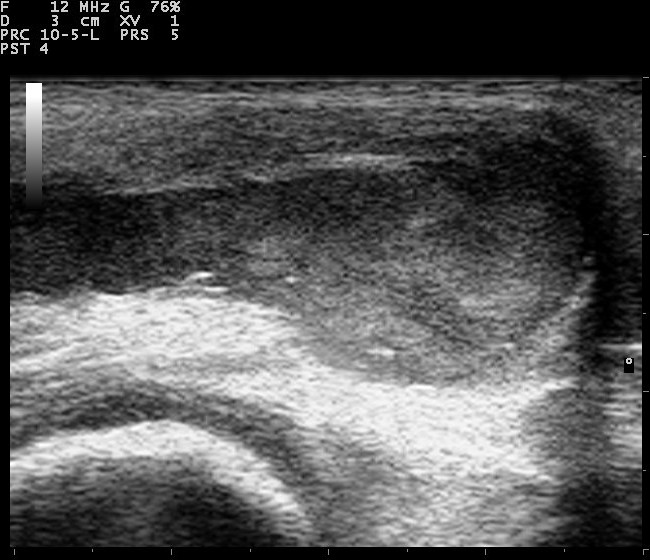
A clinician may use imaging to answer a specific question about the joint or surrounding tissues. Ultrasound can show fluid, while an X-ray may help assess bone and arthritis changes.
Sometimes a sample is removed with a sterile needle and tested for infection, crystals or other findings. This is called joint aspiration. It can help establish the cause and may ease pressure, but not every swollen knee needs it.
Ask what the test is intended to find and how the result will change care. Do not try to drain the knee yourself.
How Can You Reduce Knee Swelling Safely?
If there are no urgent features, reducing aggravating activity and elevating the leg may make it more comfortable while you arrange advice. A cool pack wrapped in cloth may help; protect the skin and avoid cold treatment if sensation or circulation is impaired.
Fast relief is not the only goal. If swelling keeps returning, the underlying cause needs treatment. Avoid tight compression, vigorous massage and exercising through a rapidly swelling joint.
Before adding tablets, read about knee pain medicines and their limitations and check what is safe with your existing prescriptions.
What Can a Joint-Fluid Sample Show?
As explained in Johns Hopkins’ joint aspiration guidance , aspiration uses a needle to remove fluid for analysis or relieve pressure. Depending on the clinical question, laboratory tests may look for crystals, signs of inflammation and infection.
Ask whether the sample is being taken primarily to investigate the cause or to improve comfort. These purposes can overlap, but feeling less pressure afterwards does not mean the laboratory result is unnecessary. Different tests may return at different times, so clarify who will contact you and how to obtain the final result.
A clear plan should also explain what happens while results are pending. If infection is suspected, the clinician determines the urgency and treatment. Do not take leftover antibiotics or assume that a previous gout diagnosis is enough to explain a new severe episode.
Can Gout and Infection Be Confused?
Both can cause a rapidly painful, swollen joint. Fever may increase concern about infection, but its absence does not safely exclude it. A blood uric-acid result alone also cannot settle every case of acute knee swelling. The examination and, when indicated, joint-fluid testing help distinguish causes.
The SANJO guideline for septic arthritis states that finding crystals does not rule out joint infection. This matters when a person with known gout assumes that every flare can be managed exactly like the last one.
Seek prompt care for a hot, severely painful knee, especially with feeling unwell, recent injection or surgery, or reduced immunity. Tell the team about recent procedures and medicines. The purpose is to avoid delaying treatment of an infection while focusing only on pain relief.
Why Does the Fluid Keep Coming Back?
Fluid can recur if the process irritating the joint continues. Examples include an arthritis flare, an unresolved injury or an inflammatory disease. Draining the knee may reduce pressure without removing that cause. Recurrence should prompt a review of the diagnosis and response, not an automatic decision to repeat the same procedure indefinitely.
Bring the dates of previous episodes and treatments. Was fluid tested? What did it show? Did swelling return after a particular activity, or even during rest? Did pain and swelling improve together? These details can reveal whether the current plan is addressing the relevant problem.
If you take an anticoagulant, include its name and dose in the history, but do not stop it yourself. Bleeding risk and clotting risk must be considered together. Likewise, a new swollen knee after a procedure needs assessment rather than being assumed to be an expected recurrence of arthritis.
How to Track Swelling Without Repeatedly Testing the Knee
Keep a simple note of visible swelling, comfortable bending, walking and any warmth or fever. If swelling comes and goes, a photo taken from the same angle can help describe the change at an appointment. Avoid repeatedly squeezing the knee or measuring tiny differences as though they could diagnose the cause.
For a mild problem already assessed as suitable for home care, reduce aggravating load and follow advice on comfortable movement. A wrapped cool pack may help symptoms, but pain relief does not establish that the underlying inflammation has settled. Avoid forcing deep bending when the joint feels tense.
Return to activity should consider swelling as well as pain. If a short walk produces a noticeably fuller knee later, discuss adjusting the load. If swelling continues to recur despite a modified programme, ask whether the diagnosis or treatment needs review rather than simply wearing tighter compression.
What Should You Know Before Leaving an Aspiration Appointment?
Confirm the aftercare instructions, expected short-term discomfort and the contact route if symptoms worsen. Ask when you can resume work, exercise or driving based on your actual function and the procedure performed. There is no single timetable that fits every diagnosis.
Know whether fluid was sent for testing and how those results will reach you. An aspiration that relieved pressure and an aspiration undertaken to exclude infection carry different follow-up questions. Record the proposed next step if fluid returns, including whether another review is needed before any injection.
Increasing severe pain, spreading redness, fever or feeling unwell after the procedure needs urgent assessment. Do not wait for a scheduled follow-up if the knee is becoming substantially worse.
Will an Injection Stop the Fluid Coming Back?
Only if it is appropriate for the underlying problem, and even then the response varies. An injection should not be given simply because fluid is visible. Suspected infection needs investigation and treatment first.
For an established diagnosis, our knee injection comparison explains how options differ.
For a lump or discomfort at the back, read about pain behind the knee and Baker’s cysts
Getting the Right Assessment
If swelling repeatedly limits movement, arrange an assessment rather than relying on repeated short-term remedies.
For an individual assessment, explore knee pain treatment in Gurgaon at Jain Pain Clinic. Dr Ashu Kumar Jain focuses on pain medicine; treatment choices depend on the diagnosis and your goals.
Related reading: arthritis versus meniscus problems the complete knee pain treatment guide
Resources
- Swollen knee: symptoms and causesMayo Clinic
- Knee pain: symptoms and when to seek helpNHS
- Deep vein thrombosisNHS
- Baker’s cystNHS
- Joint aspirationJohns Hopkins Medicine
- Guideline for management of septic arthritis in native jointsJournal of Bone and Joint Infection, 2023
Frequently asked questions
Does fluid on the knee always need draining?
No. The cause, severity and need for diagnostic testing guide whether aspiration is useful. Some cases improve by treating the underlying condition.
Why is my knee swollen without injury?
Arthritis, crystal inflammation, infection and other conditions can cause swelling without a remembered injury. A hot or severely painful knee needs prompt assessment.
Can I exercise with a swollen knee?
Avoid forcing exercise through acute or increasing swelling. Get the cause assessed, then use an adapted movement plan as advised.
Can a knee be swollen but not very painful?
Yes. The amount of discomfort varies, but persistent or unexplained swelling still deserves assessment. The absence of severe pain does not identify whether fluid is inside the joint, in a bursa or elsewhere.
Will removing fluid damage the knee?
Aspiration can be useful when clinically indicated and performed with sterile technique, but it has risks such as infection, bleeding and discomfort. Ask why it is recommended and how the expected benefit compares with those risks.
Does no fever mean a swollen knee is not infected?
No. Fever may be absent. A hot, severely painful or rapidly worsening knee needs prompt assessment, especially after a procedure or in someone with reduced immunity.